Affordable Kentish Town garden maintenance rates and quotes
Posted on 28/11/2026
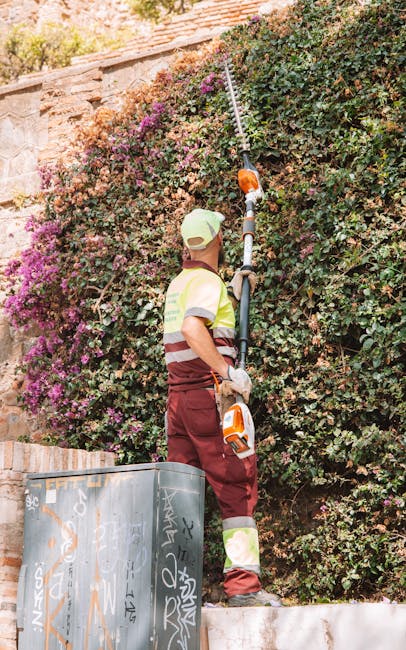
If you are trying to understand Affordable Kentish Town garden maintenance rates and quotes, you are probably after two things at once: a fair price and a service that actually keeps your garden looking cared for. That is a sensible ask. In a busy part of London, gardens can slide from tidy to tangled quickly, and the cost of putting them right can feel a bit mysterious if you have never booked professional help before.
This guide breaks down what affects garden maintenance pricing in Kentish Town, how quotes are usually put together, where genuine value hides, and how to avoid paying for work you do not need. We will also cover practical ways to compare options, spot strong workmanship, and ask for a quote that reflects your garden rather than a generic estimate.
Why Affordable Kentish Town garden maintenance rates and quotes Matters
Garden maintenance is one of those household services where pricing can look simple on the surface, then suddenly get complicated once the work begins. A hedge that looks like "just a quick trim" may hide tangled growth, awkward access, or waste that needs removing. A lawn that only needs a mow can also need edging, scarifying, weed control, and a proper tidy-up. That is why affordable quotes matter: they help you compare like for like, not apples and pears.
In Kentish Town, gardens often need more frequent attention than suburban plots with bigger space and fewer interruptions. Shade, compact layouts, boundary planting, and smaller access points all affect the time needed. Add in weather, seasonal growth, and the realities of London living, and you begin to see why a realistic quote is more useful than a cheap headline price. Cheap is fine. Cheap and vague, not so much.
There is also a trust angle. A clear quote tells you a provider has thought through the job, which tasks are included, and where the main costs sit. That usually means fewer surprises later. And let's face it, nobody likes an invoice that feels like it wandered in from another universe.
Expert summary: The best value in garden maintenance is not the lowest price alone. It is the balance of scope, reliability, clarity, and regular upkeep that prevents bigger costs later on.
How Affordable Kentish Town garden maintenance rates and quotes Works
Most garden maintenance quotes are built around a few core factors: size, condition, frequency, and access. A small front garden with light weed growth may be straightforward. A larger rear garden with overgrown borders, thick hedging, and hard-to-reach corners will naturally take longer and cost more. That part is normal.
Here is the usual process in plain English:
- You describe the garden - size, condition, and what you want done.
- The provider assesses the scope - by photos, a visit, or both.
- The quote is shaped around labour and materials - time on site, waste removal, equipment, and any special tasks.
- You compare the quote with other options - checking what is included, not just the total.
- The work is scheduled - ideally with a maintenance rhythm that keeps costs steadier over time.
For many households, the smartest approach is recurring maintenance rather than one-off rescue jobs. A one-off clear-up can be useful, of course, especially after a neglected season or a stormy spell. But if you keep on top of the basics, you often avoid the messiest, most labour-heavy visits. If you have ever let a lawn or hedge go for "just one more week," you will know how quickly that week becomes three months.
When reading a quote, check whether it includes disposal of green waste, edging, pruning, weeding, and basic bed tidying. Some quotes only cover the visible work, while others include a more complete service. That difference matters a lot more than people think.
For related upkeep, you may also find it useful to look at garden maintenance in Kentish Town and lawn care in Kentish Town if your garden needs a more specific service mix.
Key Benefits and Practical Advantages
Affordable does not have to mean basic or rushed. A well-structured quote can actually improve the quality of the result, because it encourages clarity from the start. That helps everyone.
- Better budgeting: You can plan around a known cost instead of guessing.
- Fewer surprises: Clear scope reduces awkward add-ons mid-job.
- Healthier gardens: Regular maintenance prevents weeds, disease spread, and uneven growth.
- More usable outdoor space: A tidy garden is easier to enjoy, whether you are dining outside, letting children play, or just wanting a quiet coffee.
- Improved property presentation: Even small improvements can make a terrace, patio, or front garden look cared for.
- Less stress: You do not have to keep mentally adding "garden chores" to your weekend.
There is another benefit that often gets overlooked: consistency. Gardens look better when maintenance is done regularly and sensibly, not just in a frantic burst before guests arrive. It is the difference between keeping on top of things and playing catch-up forever.
If your garden includes features like paving, decking, or boundary planting, routine care also helps protect those surfaces and structures. For example, overgrown growth can trap moisture against timber or hide trip hazards along the edges of a patio. Small issue today, annoying repair tomorrow.
Some owners also pair maintenance with longer-term improvements. In that case, it can be helpful to explore patio cleaning, decking services, or fencing in Kentish Town where relevant to the overall garden plan.
Who This Is For and When It Makes Sense
Affordable garden maintenance quotes are useful for more people than you might expect. You do not need a huge garden to benefit from professional upkeep. In fact, smaller London gardens can be the ones where regular help matters most, because a compact space shows clutter and overgrowth quickly.
This approach makes sense if you are:
- a homeowner who wants a tidy outdoor space without spending every weekend on it
- a landlord preparing a property between tenancies
- a busy family juggling school runs, work, and a garden that keeps growing anyway
- a first-time buyer trying to bring a neglected plot back under control
- someone who wants seasonal help rather than year-round commitment
- a person who simply prefers a clean, manageable garden and fewer surprises
It also makes sense when your garden has a few awkward jobs that are easy to put off. A hedge that needs shaping, ivy that has started to wander, weeds at the back of borders, or a lawn that is patchy and uneven can all wait only so long. Then one day the garden is no longer "a bit untidy"; it is a project.
To be fair, some people genuinely enjoy gardening and only want help with heavier tasks. That is fine too. A good quote should reflect exactly that, not try to bundle in work you can happily do yourself.
Step-by-Step Guidance
If you want the best result from an affordable quote, the job starts before anyone arrives with tools. A little preparation makes quotes sharper and often more accurate.
- List the main tasks. Separate mowing, hedge trimming, weeding, pruning, waste removal, and general tidy-ups.
- Take clear photos. Wide shots and close-ups help show the state of the garden without guesswork.
- Note access issues. Side gates, steps, narrow passages, or parking restrictions can all affect time on site.
- Decide how often you want visits. One-off, fortnightly, monthly, or seasonal maintenance all produce different pricing structures.
- Ask what is included. Waste disposal, materials, and follow-up visits should be made explicit.
- Compare quotes on scope, not just total. A slightly higher quote may include more work and save you money overall.
- Choose a maintenance rhythm. Regular visits usually keep costs smoother than rescue work.
A practical example: if your lawn is kept trimmed every couple of weeks in summer, the session may be shorter, cleaner, and easier to price than a one-off cut after six weeks of growth. That is not just about money. It is about control. You stay ahead of the mess rather than reacting to it.
For people who are still learning what the garden needs, a few practical reading points can help: gardening hacks for starters, weed control methods, and wallet-friendly garden solutions with minimal upkeep.
Expert Tips for Better Results
Here is the part that saves people the most money in real life: make the maintenance easier to maintain. Sounds obvious, maybe a bit cheeky, but it works.
- Keep the garden reachable. Clear toys, pots, hoses, and bin bags before a visit so time is spent on gardening, not moving clutter.
- Group jobs together. If you know the hedge needs doing and the lawn needs attention, ask for both at once. Separate visits can be less efficient.
- Ask for seasonal planning. Spring, summer, and autumn each demand different work. A good maintenance plan should reflect that.
- Prioritise high-growth areas. Boundaries, hedges, and front gardens often need more regular attention than sheltered corners.
- Use photos after the first visit. They help you see how quickly the space changes and whether the maintenance frequency is right.
- Choose the right service level. If your garden is relatively simple, do not overbuy a heavy maintenance package.
Another good tip: ask whether the team can recommend low-maintenance planting or structural changes that reduce future work. Sometimes a small adjustment, like switching a troublesome border to something more manageable, can cut long-term costs. There is a nice article on ground cover plant picks if you are looking for that sort of practical, low-fuss improvement.
And if your space is windy or exposed, that matters too. Gardens in London are not all sheltered and gentle; some are proper little wind tunnels. In that case, sensible planning and the right planting choices can make upkeep simpler, as can advice from practical wind management ideas.
Common Mistakes to Avoid
Most pricing mistakes happen because people focus on the headline number and miss the details. Understandable, really. Quotes can look tidy while hiding awkward omissions.
- Choosing the cheapest quote without checking scope. If waste removal or hedge shaping is missing, the bargain may not be a bargain.
- Not explaining the condition of the garden. A provider can only price accurately if they know what they are walking into.
- Ignoring access problems. Long carries, rear-only access, or limited parking can change the job significantly.
- Forgetting seasonal variation. A winter tidy is not the same as a midsummer growth flush.
- Assuming every gardener includes the same tasks. Some focus on tidy-ups, others on plant care, some on lawn work. It varies.
- Leaving maintenance too long between visits. That is how small jobs become expensive ones.
One of the biggest real-world errors is underestimating the time required for weeds, borders, and hedge edges. A lawn may be quick. The edges around it? That is often where the time disappears. Quietly. Sneakily, even.
If hedges are part of the problem, it helps to understand trimming cycles and growth habits before the work gets too heavy. The guide on hedge trimming skills is a useful companion read, especially if you want to know why some hedges are quicker to maintain than others.
Tools, Resources and Recommendations
Good garden maintenance is not just about labour. Tools matter. So does a sensible setup. The right equipment makes a quote more efficient, which can help keep pricing competitive without cutting corners.
Common tools and support items used in regular maintenance include:
- lawn mowers for regular grass cutting
- strimmers and edging tools for neat boundaries
- hedge trimmers for shaping and reducing growth
- hand tools for weeding, pruning, and detailing
- rakes, bags, and loaders for clearing green waste
- protective gear for safe working conditions
For gardens with slopes, uneven ground, or awkward textures, mower choice and method matter more than people realise. A well-handled mower on the wrong terrain can leave scalped patches, missed strips, or a lot of frustration. If that sounds familiar, the article on using mowers in different terrain is worth a look.
Plant choice also affects the amount of maintenance a garden needs. If you want fewer weeds and a softer look with less fuss, ground cover and compact planting can help. If you want year-round structure, climbers and evergreen layers may be more practical than constantly replanting seasonal beds. For that, the pieces on evergreen climbers and container gardening can be surprisingly useful.
There is also a sensible connection between maintenance and garden design. A neat, well-planned garden costs less to maintain than a cluttered one with lots of awkward corners. That is why some owners look at broader planning through gardening services in Kentish Town or landscaping in Kentish Town when they want the space to work better long term.
Law, Compliance, Standards, or Best Practice
For everyday domestic garden maintenance, the main compliance concerns are usually practical rather than complicated. That said, good providers should still work safely, handle waste responsibly, and respect property boundaries and access arrangements.
Best practice in this area usually includes:
- Safe working methods: tools should be used properly, and access routes kept clear.
- Responsible waste handling: green waste should be collected, bagged, or removed according to the agreed service.
- Clear terms: both parties should understand what is included, what is excluded, and when payment is due.
- Insurance awareness: for higher-risk work or larger tools, it is sensible to ask how the provider handles safety and liability.
- Respect for neighbours and access: especially in dense streets where noise, shared boundaries, and parking can be sensitive.
If tree work is involved, the standards become more serious. Heavy pruning or felling can raise safety and planning issues, so that should be separated from routine maintenance quotes unless explicitly included by a suitably qualified service. For that sort of work, a dedicated service like tree surgery in Kentish Town may be more appropriate than general garden upkeep.
For customer confidence, it is also good practice to have transparent company policies, including terms and conditions, health and safety policy, insurance and safety information, and a clear complaints procedure. Those pages do not just tick boxes; they show how work is managed in the real world.
Options, Methods, or Comparison Table
When you are comparing affordable quotes, it helps to think in terms of service style rather than just price. Different approaches suit different gardens.
| Option | Best for | Typical strengths | Things to watch |
|---|---|---|---|
| One-off tidy-up | Neglected gardens, seasonal resets, move-in/move-out jobs | Fast improvement, clears heavy growth, gives a fresh start | Can cost more if the garden is very overgrown |
| Regular maintenance visits | Homeowners who want steady upkeep | Predictable cost, fewer surprises, better long-term appearance | Needs commitment to stay effective |
| Seasonal maintenance plan | Gardens with changing growth patterns | Matches work to the time of year, flexible and practical | Can miss smaller tasks if not reviewed carefully |
| Task-specific service | Lawns, hedges, patios, borders, or tree-related work | Focused expertise, clearer pricing, efficient delivery | May need several services if the whole garden needs attention |
There is no single "right" answer here. A small, simple garden might only need occasional tidy-ups and lawn care. A mixed garden with hedges, paving, and planting may benefit from a broader routine. If your main issue is grass, a targeted lawn mowing service or broader lawn care can be more cost-effective than a general visit.
And if the whole garden is simply a bit chaotic, a fuller reset might be the best starting point. There is a useful article on the first steps to a breathtaking garden transformation that fits that situation well.
Case Study or Real-World Example
Here is a realistic example from the kind of job many Kentish Town households ask about. A compact rear garden had a lawn that needed cutting, borders full of weeds, and a hedge along one side that had started to lean over the path. Nothing dramatic at first glance. Then you looked closer and realised the border had become a mini jungle. As they do.
The owner initially wanted the cheapest possible quote. After a proper assessment, it became clear that the best value was not the lowest number but a quote that included the lawn, hedge trim, weed clearance, and waste removal in one visit. A narrow side access meant everything would need to be carried through by hand, which affected the labour time. Once that was factored in, the quote looked less "cheap" but much more honest.
The result was better too. The garden looked calmer, the path was usable again, and the owner switched to lighter maintenance every few weeks. That is the kind of change that saves money over time. Not flashy. Just sensible.
It also made the space nicer to use. A cup of tea outside on a mild afternoon, a few minutes of quiet, the hedge no longer brushing your shoulder as you walk past... small things, but they matter.
Practical Checklist
Use this checklist before requesting or comparing quotes:
- Measure or estimate the garden size
- List the tasks you need done now
- Identify anything that is urgent, such as overgrown hedges or trip hazards
- Take recent photos in good light
- Note access issues, parking limits, or narrow paths
- Decide whether you want a one-off visit or repeat maintenance
- Ask if waste removal is included
- Ask whether tools and fuel are included in the price
- Check if there are separate charges for special jobs
- Compare at least two quotes on the same scope
- Review company policies and safety information
- Choose the option that offers the best overall value, not just the lowest total
If your garden includes unusual features like containers, raised beds, or wildlife-friendly planting, mention them. These details help shape a more accurate estimate. A quote can only be good if the question is good. That is half the battle, really.
Conclusion
Affordable Kentish Town garden maintenance rates and quotes are easiest to understand when you focus on scope, frequency, and long-term value rather than chasing the cheapest figure. A clear quote should tell you what is being done, what is included, and how often the garden should be maintained to stay in good shape. Once you know that, the decision becomes much easier.
For most people, the best result comes from a practical plan: keep the main growth under control, tidy the key areas regularly, and avoid letting the garden become a seasonal emergency. It sounds simple because, in truth, it is. The challenge is staying ahead of it all.
Get a free quote today and see how much you can save.
And if you are still weighing things up, take your time. A good garden quote should feel reassuring, not rushed. When the numbers, the scope, and the service all line up, you will know you have chosen well.

With a wealth of experience as a professional gardener, Camrin provides comprehensive landscaping and gardening services. Additionally, she is adept at writing, particularly on topics related to Eco-friendly gardening.