Kentish Town gardeners urgent lawn repairs at station
Posted on 10/10/2026
Kentish Town gardeners urgent lawn repairs at station: fast, practical help when the grass has gone wrong
If your lawn near the station has suddenly turned patchy, muddy, torn up, or just plain tired-looking, you are probably not looking for garden theory right now. You want help. You want it fast. And you want the job done properly, because a messy lawn by a busy station entrance, path edge, or shared frontage can look worse by the hour.
This guide on Kentish Town gardeners urgent lawn repairs at station explains what counts as an urgent repair, how the process usually works, what a good result should look like, and how to avoid the common slip-ups that make a quick fix fail. We will also cover practical choices for turf repair, patching, re-leveling, weed control, and aftercare, with a local, real-world focus. To be fair, lawns in high-footfall spots do not get much mercy.
Whether you are dealing with a damaged strip of grass beside a station approach, an overused communal lawn, or a front garden that has been chewed up by weather and foot traffic, the goal is the same: restore a neat, safe, resilient surface that holds up after the repair team leaves.
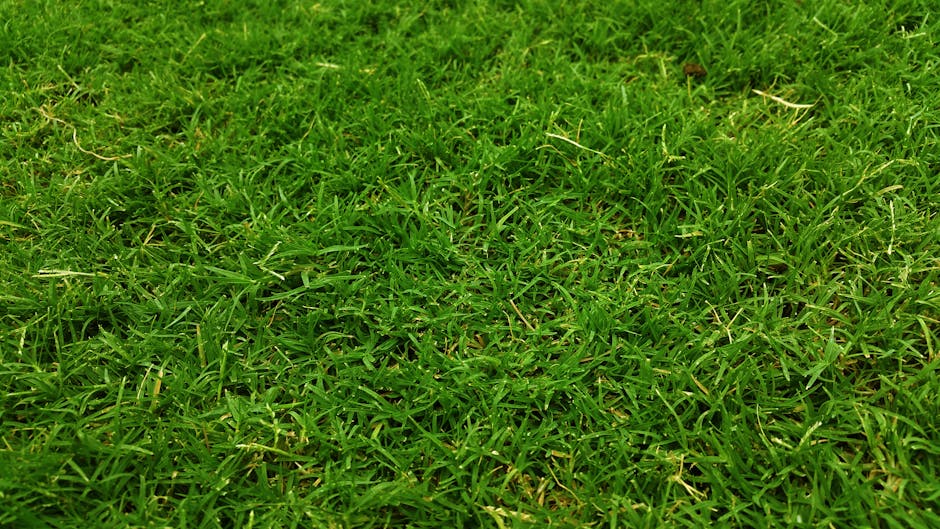
Why Kentish Town gardeners urgent lawn repairs at station Matters
A lawn near a station is not the same as a lawn in a quiet back garden. It usually sees more foot traffic, more compacted soil, more run-off, more dust, and more wear from people cutting corners across the grass. Add London weather into the mix, and you can end up with bald patches, puddled dips, slippery mud, or scruffy edges in a matter of days.
That matters for a few reasons. First, appearance. A neat green strip sends a message that the place is cared for. Second, safety. Broken turf, exposed mud, and uneven ground can create slipping or tripping risks, especially in wet weather. Third, recovery. The longer damaged grass is left, the more soil structure breaks down, and the harder it becomes to bring the lawn back without a bigger intervention.
In busy areas, urgency is often about more than looks. A damaged lawn can quickly become a cycle: people step around the mud, the usable area gets smaller, the damage spreads, and weeds move in. You can almost see it happen by the hour on a rainy morning. This is why quick lawn repairs are usually more successful than waiting for a "better time," which, let's face it, has a habit of never arriving.
If the repair is part of a broader upkeep plan, it can also connect with garden maintenance in Kentish Town or ongoing lawn care in Kentish Town. That wider approach often makes a patch repaired today less likely to fail next month.
How Kentish Town gardeners urgent lawn repairs at station Works
Urgent lawn repair is usually a practical, staged job rather than a single quick patch. A good gardener will first assess what caused the damage. Was it foot traffic? Heavy rain? Poor drainage? Construction spill? Shade? Dog activity? The cause matters, because repairing the surface without solving the underlying issue is a bit like mopping a floor while the tap is still running.
In most cases, the process starts with a site check and a brief conversation about how quickly the area needs to be usable again. After that, the work may include some combination of the following:
- clearing debris, leaves, stones, or compacted surface material
- cutting back dead or weakened turf
- loosening compacted soil
- leveling shallow hollows or ruts
- adding topsoil or lawn dressing where needed
- patch seeding, turf replacement, or overseeding
- watering and protection during establishment
For some lawns, the quickest answer is patch turf replacement. For others, seeding is better because the damaged area is broad but still structurally sound. A repair near a station or entrance may also need a firmer finish, especially if people are likely to walk across it again. In those cases, the gardener may recommend temporary barriers, re-routing foot traffic, or small landscaping changes.
It helps to understand that a fast fix is not always a shallow fix. Good work should balance speed with root recovery. If you have ever seen a lawn repaired in a rush and then turn yellow in a week, you already know why that matters.
For mowing-related aftercare, the article on using mowers on different terrain is useful reading because repaired ground often needs gentler cutting than an established lawn.
Key Benefits and Practical Advantages
When urgent lawn repairs are handled well, the benefits are immediate and long-lasting. The first thing most people notice is the visual lift. A damaged strip can make the whole frontage look neglected, while a repaired lawn restores shape, colour, and a sense of control. That sounds small, but it changes how a property feels the moment you walk past it.
There are also practical advantages:
- Safer footing: fewer slick muddy spots and fewer uneven patches.
- Less weed invasion: healthy turf closes gaps that weeds love.
- Better drainage behaviour: shallow leveling and soil work can reduce pooling.
- Improved durability: properly repaired turf handles pressure better.
- Lower long-term cost: fixing early is usually cheaper than rebuilding a badly failed lawn.
There is also a quiet morale benefit. People behave differently around a tidy space. They are less likely to cut across it, dump rubbish on it, or treat it like dead ground. That is not magic. It is just human behaviour. A repaired lawn can reset how the whole area is used.
Expert summary: The best urgent lawn repair is the one that restores use quickly while also correcting the reason the damage happened. Fast, yes. But not flimsy.
Who This Is For and When It Makes Sense
This service makes sense for anyone who needs a lawn back in shape quickly and cannot wait for a slow seasonal overhaul. In Kentish Town, that often includes landlords, shopfront owners, property managers, housing associations, station-adjacent businesses, and householders with front gardens that get a lot of passing use.
You may need urgent repairs if you are seeing one or more of these signs:
- large bare patches from repeated foot traffic
- muddy channels where people naturally walk
- water sitting on the surface after rain
- grass turning thin, yellow, or lumpy
- soil compaction around entrances or paths
- damage after events, works, or a period of bad weather
Sometimes the issue is not dramatic but still needs attention. For example, a small strip by a station approach can become a persistent weak point because every passer-by takes the same shortcut. The area might not look "bad" yet, but by the time it does, the repair is usually harder.
If your concern extends beyond grass alone, it can be sensible to look at broader support such as gardening services in Kentish Town or even landscaping in Kentish Town if the lawn needs reshaping, edging, or drainage improvements.
Step-by-Step Guidance
Here is a straightforward way to think about the repair process from start to finish. It is not glamorous, but it works.
- Inspect the damage carefully. Check how deep the problem goes. Surface wear is one thing; compacted or waterlogged soil is another.
- Identify the cause. Foot traffic, weather, poor drainage, dog damage, shade, or all of the above? The cause guides the repair.
- Remove loose debris and dead material. Clean ground gives the new grass or turf a better chance.
- Loosen the soil. Aeration or raking helps roots breathe and lets water move properly.
- Level the base. Add lawn dressing or topsoil to shallow depressions. Keep the finish even, not fluffy and unstable.
- Choose the repair method. Seed, overseed, or turf patch depending on urgency and area size.
- Water correctly. Light, consistent watering is usually better than a single soak followed by neglect.
- Protect the area. Temporary barriers, clear signs, or sensible rerouting can stop the repair being trampled again.
- Monitor for two to three weeks. Watch for lifting turf, drying edges, and weed breakthrough. That first stretch is important.
If you need quicker visual recovery, turf repair often gives the fastest result. If the area is broad and structurally sound, seed can be cost-effective, though it needs more patience. A little patience, anyway. Grass likes its own timetable.
Where weeds are already creeping in, it can help to review proven weed control methods before the repair takes hold. Otherwise the new grass can be competing from day one, which is not ideal.
Expert Tips for Better Results
Here are the details that separate a decent repair from one that lasts through the next spell of wet weather.
- Match the method to the damage. Small worn patches do not need the same treatment as a full strip failure.
- Do not overfill low spots. A proud, high patch can look fixed for a week and then settle badly.
- Think about access before you start. If people keep walking over the repair, it will struggle.
- Keep mower height sensible. Fresh grass is vulnerable. Cutting too short is a classic mistake.
- Use the season wisely. Cool, damp periods often help establishment, but too much rain can soften the surface. Balance matters.
- Feed the soil, not just the surface. Healthy turf depends on decent soil structure underneath.
One small but useful habit: after the repair, check the edges first, not just the centre. Edges dry out and lift faster, especially if the patch is close to paving or a path. That tiny detail saves a lot of frustration later.
For local weather resilience, the guide on preventing weather-induced garden damage is a practical companion piece. And if the station area is windy and exposed, wind management in gardening can make a surprising difference to repair success.

Common Mistakes to Avoid
Urgent repairs often fail because people are trying to be quick, not careless. That difference matters. Still, there are a few common traps:
- Repairing the symptom, not the cause. If drainage or compaction caused the mess, it will come back.
- Using too much seed on poor soil. Seed needs contact with a workable base.
- Leaving the area open too soon. A few extra footsteps can undo the whole job.
- Cutting the lawn too early or too low. New growth is fragile.
- Ignoring surrounding edges. Neighbours to the problem area may be just as damaged, even if they still look green.
- Forgetting aftercare. A repair is not finished when the gardener packs up the tools.
A slightly awkward but true point: many lawn failures happen because the repair was treated like a one-afternoon chore. It is really a short process, yes, but it still needs follow-through. Not forever. Just long enough to let roots settle in properly.
If hedges, fences, or nearby plants are also creating wear, shade, or access problems, it may be worth looking at hedge trimming in Kentish Town or fencing in Kentish Town as part of the wider fix.
Tools, Resources and Recommendations
For professional-quality repairs, the toolkit usually includes the basics: a rake, spade, aeration tool, wheelbarrow, lawn dressing, seed or turf, watering equipment, and a mower set to the correct height. On more difficult ground, a soil sampler, edging tool, and compaction-breaking fork may also be used.
Here is a simple breakdown of helpful materials and what they are for:
| Item | Used for | Why it helps |
|---|---|---|
| Topsoil or lawn dressing | Levelling hollows and improving the seed bed | Creates a smoother, more stable surface |
| Grass seed | Overseeding or patch repair | Useful for broader but shallower wear |
| Turf patches | Replacing badly damaged sections | Faster visual recovery |
| Aerator or garden fork | Relieving compaction | Improves water and air movement |
| Watering can or hose | Aftercare | Supports root establishment |
For readers wanting to understand the value of proper equipment, this tools guide is a useful companion. And if the repair needs to blend into a smarter, low-maintenance layout, low-maintenance garden ideas can help you plan the next step without overspending.
If you are thinking longer term, soil quality matters more than many people expect. A tired lawn on compacted soil is like trying to grow on a hard-backed pillow. Not impossible, but it is a battle. The article on organic by-products in gardening and the piece on soil solutions for gardening both point in a useful direction: build healthier soil, and the lawn usually becomes easier to manage.
Law, Compliance, Standards, or Best Practice
For lawn repair work in a public-facing or shared area, the main concern is good practice around safety, access, and preventing avoidable hazards. If a repair is being carried out near a station approach, path, or communal frontage, it is sensible to manage trip risks, keep materials tidy, and avoid leaving loose spoil, tools, or partially lifted turf where people may walk.
UK gardening work also commonly follows general safety expectations: suitable protective equipment, careful use of machinery, and sensible control of wet or uneven ground. If chemicals are used for weed or moss control, they should be used cautiously and in line with the product instructions. Nothing heroic. Just careful, steady work.
For customers, trust also comes from clear service terms, fair pricing, and transparent handling of complaints and security. It is reasonable to expect a provider to be clear about what is included, what happens if weather delays the work, and how any access issues are managed. That is why it helps to review pages such as health and safety policy, insurance and safety, terms and conditions, payment and security, and complaints procedure if you want a fuller picture of how a professional service is run.
There is also a quiet accessibility point here. Good lawn repair planning should not make it harder for people with mobility needs, prams, or delivery access to move safely around the site. Small detail, but a real one.
Options, Methods, or Comparison Table
Not every damaged lawn needs the same approach. Choosing the right method can save money, time, and a lot of repeat frustration. Here is a simple comparison.
| Method | Best for | Speed | Typical downside |
|---|---|---|---|
| Overseeding | Thin lawns and lighter wear | Moderate | Needs patience and regular watering |
| Patch seeding | Small bare spots | Moderate | Can look uneven if the soil is poor |
| Turf patch replacement | Deeply damaged or visually urgent areas | Fast | Higher material cost and proper preparation needed |
| Aeration and topdressing | Compacted, lumpy, or drained-poor lawns | Supportive, not instant | Often needs follow-up reseeding |
| Drainage or landscaping adjustment | Recurring wet zones and repeated failures | Slower but more permanent | More involved, usually a bigger job |
In plain English: if you need the lawn to look decent fast, turf repair may be the answer. If the lawn is broadly weak but still there, overseeding and soil improvement may be enough. If the area is repeatedly flooding or being worn in the same place, you may need to think beyond the lawn itself. A little redesign can solve what repeated patching cannot.
Case Study or Real-World Example
Picture a small frontage near a station route in Kentish Town. Over winter, people begin cutting across the grass edge to save a few seconds. Rain softens the ground. By Friday morning the strip has become a muddy line, and the grass is flattened, then broken, then mostly gone.
A gardener visits early in the day, before the area gets busy. First comes a quick assessment: the damage is shallow but widespread, with compacted soil and a low spot where water sits after rain. The repair plan is simple but smart. The worst dead material is removed, the soil is loosened, the hollow is dressed and leveled, and a combination of patch turf and overseeding is used to create a more even finish. Temporary barriers are added so foot traffic is redirected for a short period.
A week later, the area is not perfect, but it is clearly recovering. The edges are holding. The soil is not sinking underfoot. Aftercare continues, and the repair does what it should do: it stops the problem from spreading.
That kind of result is often what people really want. Not a magazine lawn by tomorrow. Just a space that looks cared for, feels safe, and is no longer becoming worse every day.
Practical Checklist
Use this checklist if you want to prepare for an urgent repair visit or sense-check the work afterwards.
- Identify the main damaged areas before the gardener arrives
- Note where people walk most often
- Check whether water pools after rain
- Remove toys, bins, loose items, or obstacles from the lawn
- Ask whether the repair will use seed, turf, or both
- Confirm how long the area should be kept clear
- Make sure watering access is available
- Ask about mowing height once the grass starts to recover
- Watch the edges for lifting or drying out in the first two weeks
- Arrange follow-up maintenance if the damage was caused by repeated use
One-line reality check: if the cause is still there, the damage will probably be back. So the checklist is not just about the grass. It is about the behaviour around the grass too.
Get a free quote today and see how much you can save.
Conclusion
Urgent lawn repair near a station is really about restoring order quickly and sensibly. A good gardener will look beyond the visible patch, work out why the lawn failed, and choose a repair that makes practical sense for the space, the foot traffic, and the weather. That is how a fast fix becomes a lasting one.
If your lawn is already showing signs of wear, do not wait for it to "sort itself out." Grass rarely does that on its own, especially in a busy local area. A well-planned repair can make the space safer, tidier, and easier to live with almost immediately. And once the ground is healthy again, the whole place feels calmer. Even on a damp London morning, that counts for something.
For a fuller approach to keeping the whole outdoor space in shape, it may also help to explore ongoing garden maintenance, lawn mowing services, or lawn care support alongside the repair itself. A little steady care goes a long way.

With a wealth of experience as a professional gardener, Camrin provides comprehensive landscaping and gardening services. Additionally, she is adept at writing, particularly on topics related to Eco-friendly gardening.