Tufnell Park gardeners seasonal lawn prep 2026 checklist
Posted on 18/10/2026
If your lawn has been looking a bit tired after winter, patchy after summer, or simply stubborn in that "it used to be better" way, you are not alone. The Tufnell Park gardeners seasonal lawn prep 2026 checklist is designed to help local gardens stay resilient through London's shifting weather, compacted soils, shaded corners, and the odd month when everything feels either too wet or too dry. Truth be told, lawn care in Tufnell Park is rarely about one big fix. It is about timing, observation, and a few well-chosen jobs done in the right order.
This guide gives you a practical, season-by-season plan for 2026. Whether you are maintaining a small front lawn, a family back garden, or a shared outdoor space that gets a lot of foot traffic, you will find a clear checklist, simple decision points, and a few expert habits that make a real difference. No fluff. Just the stuff that actually helps.
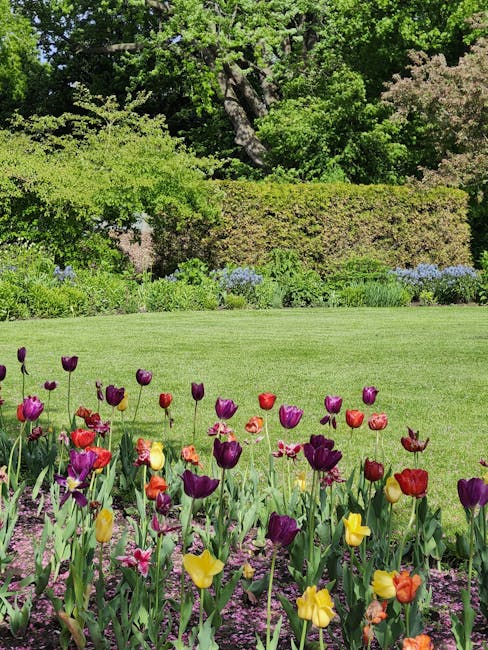
Why Tufnell Park gardeners seasonal lawn prep 2026 checklist Matters
Seasonal lawn preparation matters because lawns do not respond well to guesswork. In a place like Tufnell Park, you are dealing with typical London realities: shaded boundaries from neighbouring trees, narrow strips near paving, wear from bins and bikes, and soil that can become compacted faster than people expect. Add in climate swings - a wet spring, a dry spell in early summer, a soggy autumn - and the lawn can go from decent to difficult very quickly.
The point of a seasonal checklist is simple: stop reacting late. A lawn that gets the right prep in early spring, midsummer, autumn, and the colder months usually needs less rescue work later on. That means fewer bald patches, less moss build-up, better drainage, and steadier growth. You also avoid the annoying cycle of "cut it short, regret it, try again." We have all been there. It is not a great look.
For local homeowners and landlords, a tidy lawn also helps the whole garden feel looked after. Even a modest patch of grass can change how a front garden feels from the street. In practical terms, it supports better drainage, safer play areas for children, and a more usable outdoor space for everyday life. If you are planning broader garden work too, it can make sense to read more about ongoing garden maintenance in Kentish Town so the lawn is not treated in isolation.
How Tufnell Park gardeners seasonal lawn prep 2026 checklist Works
The checklist works by matching lawn tasks to the season, the condition of the turf, and the weather windows available. That matters because there is no single "best" day to care for a lawn. There are better moments, and then there are moments when you should leave it alone.
Here is the basic logic:
- Late winter to early spring: clear debris, assess winter damage, ease compaction, and prepare for growth.
- Spring to early summer: encourage healthy root activity, mow correctly, and address weeds or thin areas.
- High summer: protect the lawn from stress, water wisely, and avoid damaging cuts.
- Autumn: repair, feed, overseed, and get the turf ready for colder weather.
- Winter: minimise damage, avoid unnecessary foot traffic, and keep surfaces clear where safe.
The process is less about doing everything and more about doing the right few things at the right time. For example, aerating a compacted lawn after a long wet spell can be a smart move, but doing heavy work on waterlogged ground can make things worse. Likewise, mowing too short in a hot, dry week may seem tidy for a day, then the grass turns pale and stressed.
In practice, seasonal prep also means looking at the garden as a system. Overhanging branches, poor airflow, and nearby hard surfaces all affect the lawn. If the border plants are spreading, or hedging is throwing deep shade, the lawn may need a different maintenance rhythm. That is where related tasks such as hedge trimming in Kentish Town can support healthier grass rather than just making things look neat.
Key Benefits and Practical Advantages
A good seasonal lawn prep routine gives you more than a prettier patch of grass. It improves the way the garden works day to day.
- Better turf density: regular feeding, overseeding, and correct mowing help the grass thicken naturally.
- Less moss and weed pressure: healthier grass crowds out unwanted growth.
- Improved drainage and recovery: aeration and topdressing reduce surface compaction.
- Cleaner appearance: edging and debris removal make a garden feel sharper instantly.
- Lower repair costs: small seasonal jobs are usually cheaper than a full lawn rescue later.
- More usable outdoor space: a lawn that drains well and grows evenly is easier to enjoy.
There is also a comfort factor people often forget. When you step outside on a fresh morning and the lawn looks even, trimmed, and free from dead patches, the whole garden feels calmer. Simple, but true.
For busy households, a season-led approach is easier to manage than random weekend gardening. You can plan around school runs, work, and weather windows instead of trying to "catch up" after the damage is already done. If the lawn is part of a wider low-maintenance scheme, the thinking behind wallet-friendly garden solutions with minimal upkeep may be useful too.
Who This Is For and When It Makes Sense
This checklist is for anyone responsible for a lawn in Tufnell Park, but the needs do vary a bit.
- Homeowners: if you want your lawn to look good all year and avoid major repairs.
- Landlords and property managers: if curb appeal and tenant-ready gardens matter.
- Families: if children use the lawn for play and you need a safe, resilient surface.
- Older gardens: if the turf has become thin, mossy, or uneven over time.
- Newly landscaped gardens: if you want to establish good habits early, before problems start.
It makes sense to use this checklist at the start of each season, then revisit it after major weather events. That could mean a long dry period, persistent rain, or a spell of heavy leaf fall. Let's face it, London weather does not always wait for the calendar.
If your space includes beds, containers, or mixed planting areas, you may also find it helpful to think beyond the lawn alone. Articles like mastering container gardening and ground cover plant picks for UK gardens can help you build a greener, more balanced layout around the grass.
Step-by-Step Guidance
Below is a practical year-round workflow. You can adapt it to your own lawn's condition, but this order generally works well.
1. Start with a proper assessment
Walk the lawn slowly. Look for thinning areas, thatch build-up, moss, bare patches, waterlogging, shade stress, and signs of animal activity. If you can see soil from several steps away, the grass probably needs help. If the surface feels springy and soft, there may be excess thatch. If it feels hard and crusted, compaction may be the issue.
2. Clear the surface
Remove twigs, leaves, fallen blossoms, debris, and any compacted leaf litter. In autumn this matters especially, because trapped moisture underneath debris can suffocate grass and encourage moss. A clean surface also makes the next steps more effective.
3. Mow at the correct height for the season
Do not scalp the lawn just because it looks neat. In cooler months, a slightly higher cut helps protect the grass. In dry summer weather, longer blades shade the soil and hold moisture better. If your garden has slopes, awkward corners, or uneven ground, the right mower technique matters quite a bit; the article on using mowers on different terrain is a sensible companion read.
4. Edge and define the boundaries
Clean edges make the lawn feel cared for, even before the grass improves. This is also the moment to check whether surrounding plants are creeping too far in. Sometimes what looks like a lawn problem is actually a border problem.
5. Aerate when the soil needs it
Aeration creates small openings in compacted soil so water, air, and nutrients can move more freely. It is especially useful in high-traffic areas and spots where rain sits on top instead of soaking in. If the ground is sticky and saturated, wait for a better day. Poking holes in sludge is not aeration. It is just making mud look busy.
6. Overseed thin areas
Spread fresh seed over patchy sections after preparing the surface. Light raking and gentle watering help the seed settle. The key is consistency, not overdoing it. Too much seed in one place can leave clumps that compete with each other.
7. Feed according to the season
Different feeds suit different times of year. Spring feed supports recovery and growth. Autumn feed is usually more about root strength and winter resilience. Use products carefully and follow label guidance. A lawn can be overfed, yes, and then it gets patchy, weak, or overly lush in the wrong way.
8. Control weeds before they spread
Weeds are easier to manage early. The right approach depends on the type of weed and how widespread it is. Hand removal works in small numbers; larger problems may need a more structured approach. For a broader overview, see three proven weed control methods.
9. Water carefully
New seed, freshly repaired areas, and drought-stressed lawns all need watering, but not constantly. Deep, less frequent watering is usually better than frequent shallow sprinkles. In hot spells, early morning watering tends to be more sensible than watering late in the day when evaporation is lower and fungal risk is reduced.
10. Protect the lawn in bad weather
Try to avoid heavy traffic when the ground is saturated or frozen. It sounds obvious, yet people do it all the time while carrying bins, moving planters, or letting kids and dogs charge across the grass. A bit of discipline here saves a lot of scarred turf later. For more ideas, weather damage prevention tips can help you think ahead rather than patch up after the fact.
Expert Tips for Better Results
Small details matter. They really do.
- Use a "little and often" approach to mowing: removing too much grass at once stresses the lawn.
- Watch the shade: areas under trees or tall fences may need a different seed mix or more frequent moss checks.
- Keep blades sharp: blunt mower blades tear grass rather than cutting it cleanly, which leaves a ragged edge and slows recovery.
- Topdress lightly: a thin layer of suitable topdressing can improve surface quality after aeration.
- Plan around leaf fall: in autumn, a lawn can go downhill quickly if fallen leaves are left to sit.
- Don't chase perfect green all year: grass naturally slows in winter. That is normal. The goal is health, not a football pitch in January.
One practical observation from real gardens: lawns adjacent to paved areas dry unevenly. The grass nearest the paving can look stressed first because of reflected heat and reduced soil moisture. In those areas, mowing height and watering habits may need a bit more care than the rest of the lawn.
If your garden is windy, exposed, or prone to leaf movement, the article on wind management in the garden is worth a look too. Wind can dry out turf faster than people think, especially in open front gardens.
Common Mistakes to Avoid
Most lawn problems come from a handful of repeat mistakes. Not glamorous, but predictable.
- Cutting too short: this weakens the grass and exposes soil.
- Working on waterlogged ground: you compact the soil further and leave footprints that last for weeks.
- Ignoring moss as a symptom: moss often points to shade, drainage, acidity, or compaction issues.
- Overfeeding: too much fertiliser can cause weak growth or scorch the lawn.
- Leaving patch repairs too late: small bare spots become larger ones if you ignore them through the season.
- Using the wrong mower setting: the right cut matters more than most people realise.
Another common one: treating every lawn the same. A front lawn that gets full sun and weekday foot traffic needs a different rhythm from a shaded back garden with a washing line and a trampoline in the corner. Same postcode, different turf behaviour.
Tools, Resources and Recommendations
You do not need a shed packed with gadgets. But a few dependable tools make seasonal lawn prep much easier.
- Mower: choose a model suited to the size and contours of your lawn.
- Spring rake or lawn rake: useful for clearing thatch and surface debris.
- Fork or aerator: handy for compacted areas.
- Spreader: helps with seed and feed application.
- Watering can or hose with a controlled spray: useful for patch repairs and new seed.
- Sharp edging tool: improves the finish around borders and paths.
For people who prefer a more structured setup, a seasonal service can be worth considering. It is especially useful if you would rather not juggle mowing, feeding, scarifying, and repairs yourself. The team pages for lawn care, lawn mowing, and general gardening services are useful starting points if you want support beyond DIY.
If your lawn is only one part of a bigger improvement plan, it can also help to review the first steps to a garden transformation. A better lawn often sits inside a better overall layout, not the other way around.
Law, Compliance, Standards, or Best Practice
For most domestic lawn prep, there is no special legal requirement beyond ordinary care, neighbour consideration, and safe working practice. Still, best practice matters. If you are using powered equipment, handling fertilisers, or working near shared paths, stay mindful of basic safety and manufacturer guidance. That is especially true in small London gardens where space is tight and a misplaced mower or hose can create an awkward moment very quickly.
For professional work, customers should expect sensible safety procedures, clear communication, and proper insurance. Reputable garden teams normally follow their own health and safety procedures, especially when using machinery, working near structures, or operating in weather that changes quickly. If that is something you value, it is reasonable to ask about health and safety procedures and insurance and safety before any work begins.
Best practice also includes respecting access, privacy, and property boundaries. If shared front gardens, fencing, or adjoining plots are involved, a careful approach avoids disputes. And if you are hiring help, it is sensible to understand pricing, payment terms, and complaint routes in advance. It sounds a bit formal, but it saves hassle later.
Options, Methods, or Comparison Table
Here is a simple comparison of common lawn prep methods, so you can decide what fits your garden and your appetite for DIY.
| Method | Best for | Strengths | Watch-outs |
|---|---|---|---|
| Regular mowing and edging | Most domestic lawns | Keeps growth even, improves appearance quickly | Can stress grass if cut too low or too often |
| Aeration | Compacted or high-traffic lawns | Improves drainage and root access | Less effective if the soil is too wet or too dry |
| Overseeding | Thin or patchy turf | Builds density and fills bare spots | Needs moisture and patience |
| Seasonal feeding | Lawns that need stronger growth or recovery | Supports root and leaf development | Wrong timing can waste effort or stress the lawn |
| Professional lawn care | Busy households or problem lawns | Consistent, informed, time-saving | Costs more than DIY, so value depends on your needs |
If your lawn is a bit awkward - steep bits, shaded run-offs, patchy borders - then a mixed method usually works best. Simple mowing alone rarely solves everything. But a careful blend of mowing, repair, and seasonal feed can transform a tired lawn over time.
Case Study or Real-World Example
A typical Tufnell Park garden we might imagine here is a medium-sized back lawn with shade from a mature tree, a narrow side return, and a patch near the patio that gets plenty of foot traffic. In spring, the grass looks fine at a glance, but by early summer the shaded side stays damp, moss starts to creep in, and the sunny section dries out faster than expected.
The fix is not dramatic. It is methodical. First, the debris is cleared and the lawn is mown at a sensible height. Then the compacted section near the side return is aerated. Thin areas are overseeded, the shady patch gets a more cautious watering schedule, and the tree canopy is reviewed to see whether light can be improved without overcutting. By autumn, the lawn is not perfect, but it is noticeably fuller, more even, and easier to maintain.
That is usually how good lawn recovery works. Quiet improvements. Not magic. Not overnight. Just steady progress that starts to show when you keep at it.
Practical Checklist
Use this as your 2026 seasonal lawn prep checklist for Tufnell Park gardens:
- Inspect the lawn at the start of each season.
- Remove leaves, twigs, and compacted debris.
- Adjust mowing height to match the season and weather.
- Keep mower blades sharp and equipment in good condition.
- Aerate compacted or waterlogged-prone areas when conditions are right.
- Overseed thin or bare patches after preparing the soil surface.
- Apply the right feed for spring or autumn, following label guidance.
- Water deeply but not constantly during dry spells.
- Remove weeds before they spread into larger patches.
- Trim nearby hedges or branches that create dense shade.
- Watch for moss, thatch, and poor drainage early.
- Avoid walking on saturated or frozen turf.
- Repair small damage quickly instead of leaving it to spread.
- Review the lawn after storms, heatwaves, or long wet periods.
Expert summary: if you only remember three things, make them this - mow correctly, manage compaction, and repair thin areas early. That combination does more for most Tufnell Park lawns than any flashy quick fix.
For gardens that need broader support across the year, a scheduled approach to seasonal garden maintenance can keep the lawn from slipping into "emergency mode."
Conclusion
The best lawns are not usually the result of one big weekend effort. They come from small, well-timed jobs repeated through the seasons, with enough judgement to leave the lawn alone when the weather is wrong. That is really the heart of the Tufnell Park gardeners seasonal lawn prep 2026 checklist: help the grass recover, grow, and stay usable without overcomplicating the process.
In a busy part of London, that kind of practical rhythm is worth a lot. It keeps the garden looking cared for, reduces avoidable damage, and makes outdoor space more enjoyable in the moments that matter - a quick coffee outside, children playing after school, or just a clean view from the kitchen window on a grey morning.
If you want the lawn to look better in 2026, start with the season in front of you, not the season you wish you had. A little consistency goes a long way.
Get a free quote today and see how much you can save.

With a wealth of experience as a professional gardener, Camrin provides comprehensive landscaping and gardening services. Additionally, she is adept at writing, particularly on topics related to Eco-friendly gardening.